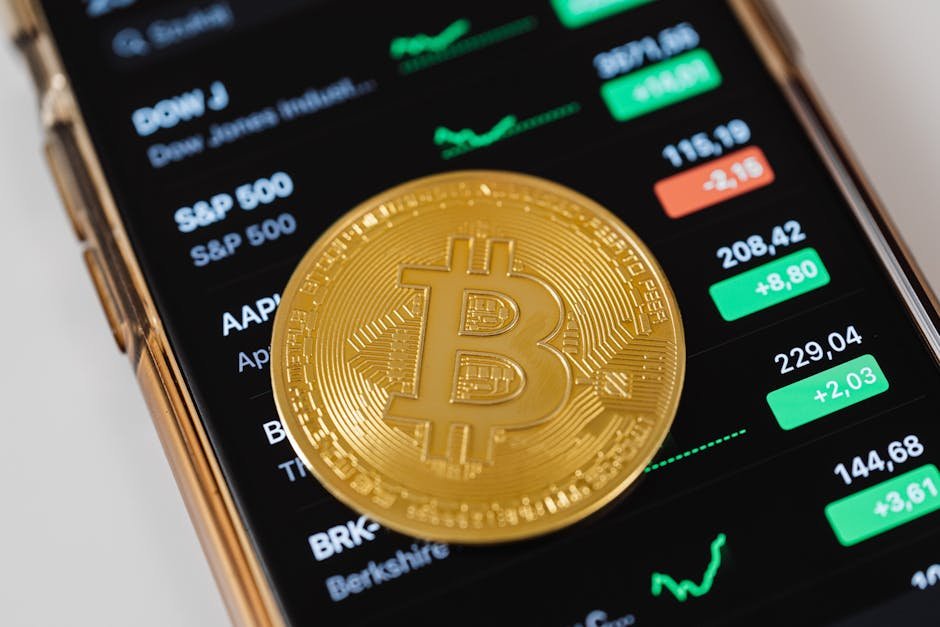




In a significant policy shift, the U.S. government has announced a series of measures to integrate cryptocurrency into the nation's financial framework. President Donald Trump signed an executive order establishing a Strategic Bitcoin Reserve, marking the first time the U.S. has officially held a cryptocurrency reserve. This move aims to position the U.S. as a leader in digital financial technology and reflects a broader acceptance of digital assets within the financial sector.
The Federal Reserve has also discontinued its "novel activities" supervision program, which was initially set up in 2023 to monitor banks' involvement with cryptocurrency and financial technology. This decision indicates the Fed's evolving understanding of the risks associated with these emerging technologies and suggests a shift towards integrating crypto oversight into standard banking supervision.
In the private sector, World Liberty Financial, a crypto firm backed by Donald Trump and his sons, announced a $1.5 billion deal to acquire its proprietary crypto tokens. This venture underscores the Trump family's intensified involvement in the crypto space, bolstered by Trump's return to the presidency in January and his continued support for digital assets.
However, the crypto industry continues to face challenges. Do Kwon, a South Korean cryptocurrency entrepreneur known as "the cryptocurrency king," pleaded guilty to fraud charges related to the $40 billion collapse of Terraform Labs. The charges involved conspiring to commit commodities, securities, and wire fraud, as well as a separate count of wire fraud. Kwon's case highlights the ongoing regulatory scrutiny and legal challenges within the crypto sector.
Additionally, the Lazarus Group, a hacking group believed to be backed by North Korea, has been linked to significant cyberattacks on cryptocurrency exchanges. In February 2025, the group was associated with the theft of approximately $1.46 billion worth of Ethereum from the exchange Bybit, marking one of the largest crypto heists to date. This incident underscores the persistent security risks and the need for robust cybersecurity measures in the crypto industry.
As the U.S. government and private sector continue to embrace cryptocurrency, it is crucial to balance innovation with regulatory oversight to ensure the stability and security of the financial system. The evolving landscape presents both opportunities and challenges, necessitating ongoing dialogue and adaptation to the rapidly changing digital asset environment.