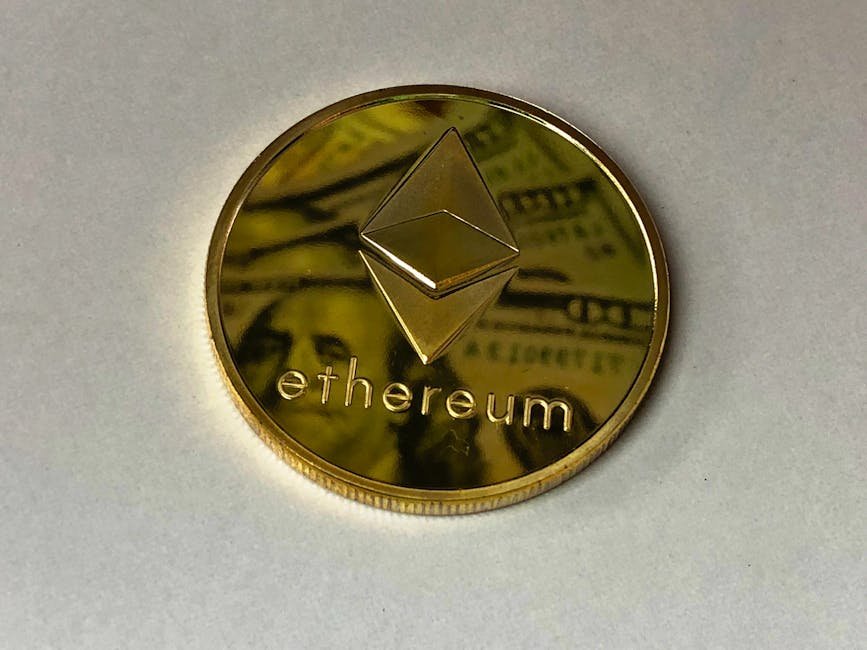




In a landmark move, President Donald J. Trump has signed an executive order establishing the United States' first Strategic Bitcoin Reserve, signaling a significant shift in the nation's approach to digital assets. This initiative aims to position the U.S. as a global leader in cryptocurrency, aligning with the administration's broader vision to integrate digital assets into the national financial infrastructure.
The executive order, signed on March 6, 2025, directs the U.S. Treasury to acquire and hold a reserve of Bitcoin, marking the first time a major government has officially recognized and invested in a cryptocurrency. The move is seen as a response to the growing influence of digital currencies worldwide and a strategic effort to bolster the U.S. economy by tapping into the burgeoning crypto market.
Industry leaders have responded with a mix of enthusiasm and caution. While many view the reserve as a validation of the crypto sector's legitimacy, others express concerns about the volatility and regulatory uncertainties associated with digital currencies. The establishment of the reserve is expected to influence market dynamics, potentially leading to increased institutional investment and greater mainstream acceptance of cryptocurrencies.
The executive order also outlines plans for the U.S. to become a global hub for Bitcoin mining. By leveraging the nation's technological infrastructure and energy resources, the administration aims to attract mining operations, thereby creating jobs and fostering innovation in the digital asset space. This initiative is part of a broader strategy to integrate blockchain technology into various sectors of the economy, including finance, healthcare, and supply chain management.
As the U.S. embarks on this unprecedented venture, the global crypto community watches closely. The success or challenges faced by the Strategic Bitcoin Reserve could set a precedent for other nations considering similar initiatives. The coming months will be crucial in determining the impact of this policy on both the U.S. economy and the broader cryptocurrency landscape.