



In a significant policy shift, the U.S. government has taken substantial steps to integrate cryptocurrencies into the nation's financial framework. President Donald Trump signed an executive order establishing a Strategic Bitcoin Reserve, marking the first time the U.S. has officially recognized a cryptocurrency as part of its national reserves. This move aims to position the U.S. as a global leader in digital asset adoption.
Concurrently, the administration is set to sign another executive order allowing cryptocurrencies, along with private equity and real estate, to be included in 401 retirement accounts. This policy change could potentially unlock nearly $9 trillion, providing American investors with greater access to digital assets within their retirement portfolios. The order directs the Department of Labor to reassess its rules under the Employee Retirement Income Security Act and clarify fiduciary responsibilities concerning alternative assets in retirement plans.
These initiatives have sparked both enthusiasm and controversy. Proponents argue that integrating cryptocurrencies into national reserves and retirement accounts will drive innovation and economic growth. However, critics, including some Democratic senators, express concerns about the volatility and risks associated with digital assets, particularly in the context of retirement savings.
The administration's actions reflect a broader trend of increasing governmental support for the cryptocurrency sector. In April, Ripple, a San Francisco-based cryptocurrency company, announced the acquisition of stablecoin infrastructure platform Rail for $200 million. This acquisition aims to enhance Ripple's capabilities in the stablecoin space, particularly with its own token, RLUSD, adding to an increasingly competitive $279 billion market dominated by Tether and Circle.
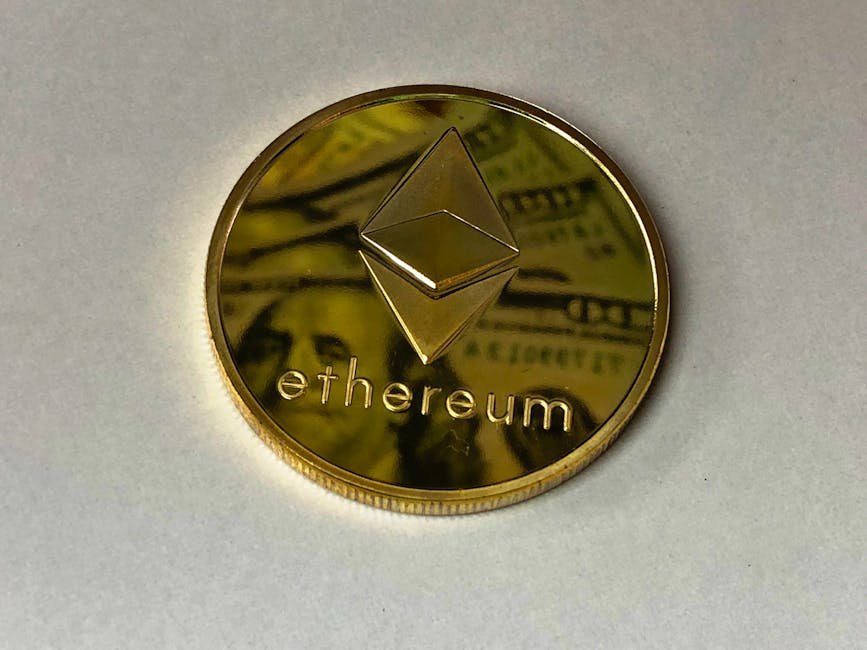
As the U.S. government continues to embrace digital assets, the cryptocurrency market is experiencing heightened activity. Bitcoin, for instance, has seen significant price movements, with its current price at $117,016, reflecting a 1.71% increase from the previous close. Similarly, Ethereum is trading at $3,901.35, marking a 5.99% rise. These developments underscore the growing integration of cryptocurrencies into mainstream financial systems and the evolving regulatory landscape.