



The U.S. cryptocurrency landscape is undergoing significant transformations, marked by pivotal legislative actions and evolving market dynamics. On July 18, 2025, President Donald Trump signed the GENIUS Act into law, a bipartisan initiative that establishes comprehensive regulations for stablecoins—digital currencies pegged to stable assets like the U.S. dollar. This legislation aims to provide consumer protections and a clear regulatory framework, signaling a substantial shift in the U.S. approach to digital assets.
The GENIUS Act prohibits members of Congress and their families from profiting from stablecoins, though this restriction notably does not apply to the president. This exemption is particularly significant as President Trump and his family hold stakes in crypto company World Liberty Financial. The act is part of broader efforts by the Trump administration to support the cryptocurrency industry, including halting several SEC enforcement actions. This legislative development underscores the administration's commitment to making the U.S. a global leader in cryptocurrency.
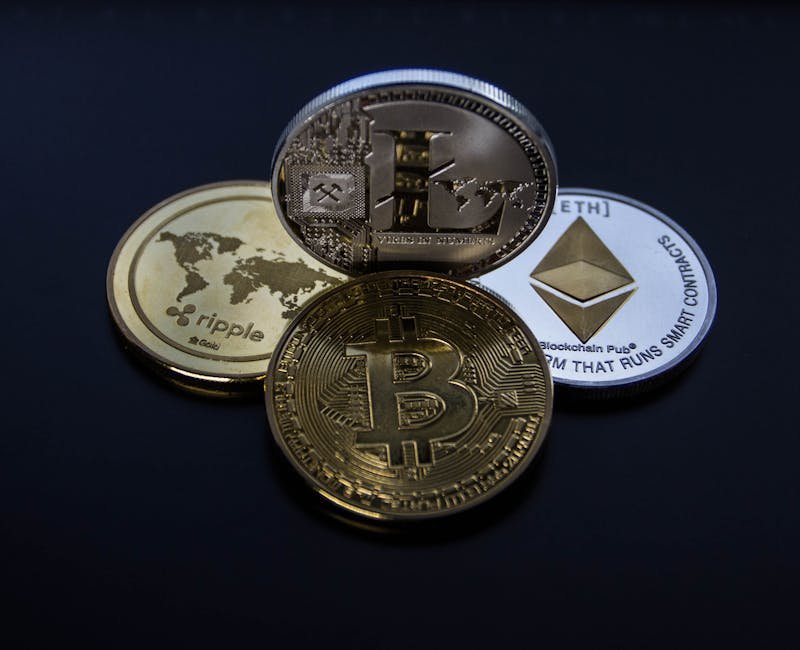
In tandem with legislative progress, the cryptocurrency market is witnessing a surge in altcoin activity. Bitcoin's dominance has declined by approximately 7% over the past month, indicating a shift toward alternative cryptocurrencies. This period, often referred to as "altcoin season," is characterized by rapid gains for experienced traders and heightened risks for newcomers. New tokens are frequently launched, often accompanied by significant hype and influential backers. While the altcoin market can offer substantial returns, experts caution about the speculative and narrative-driven nature of this space.
Publicly traded companies are increasingly investing in various cryptocurrencies, creating a new layer of risk for traditional investors. This trend allows retail investors to gain exposure to altcoins by purchasing stocks of these "crypto treasury" firms. While companies like Tesla and MicroStrategy are known for holding significant amounts of bitcoin, newer firms are taking aggressive positions in alternative digital assets. This strategy enables stock market investors to indirectly invest in high-risk, high-reward crypto assets without leaving familiar brokerage platforms. However, experts caution that this approach may signify a fading momentum in the broader crypto investment wave.
Additionally, the concept of tokenization is gaining traction in the financial sector. Tokenization involves converting traditional financial assets—such as stocks, bonds, real estate, or bank deposits—into blockchain-based digital tokens. These tokens are recorded on digital ledgers and can be traded similarly to cryptocurrencies. Stablecoins, which are pegged to real-world currencies like the U.S. dollar, are the most successful tokenized assets to date, with a market anticipated to grow from $256 billion to $2 trillion by 2028. Major companies, including Bank of America, Citi, BlackRock, and Coinbase, are exploring or investing in the space. However, there are concerns over regulatory compliance, market volatility, and potential systemic risks.
In summary, the U.S. cryptocurrency industry is experiencing a period of significant legislative advancements and market shifts. The enactment of the GENIUS Act provides a structured regulatory framework for stablecoins, while the rise of altcoins and tokenization reflects the sector's dynamic evolution. As these developments unfold, stakeholders are advised to stay informed and exercise caution in navigating the complexities of the digital asset landscape.