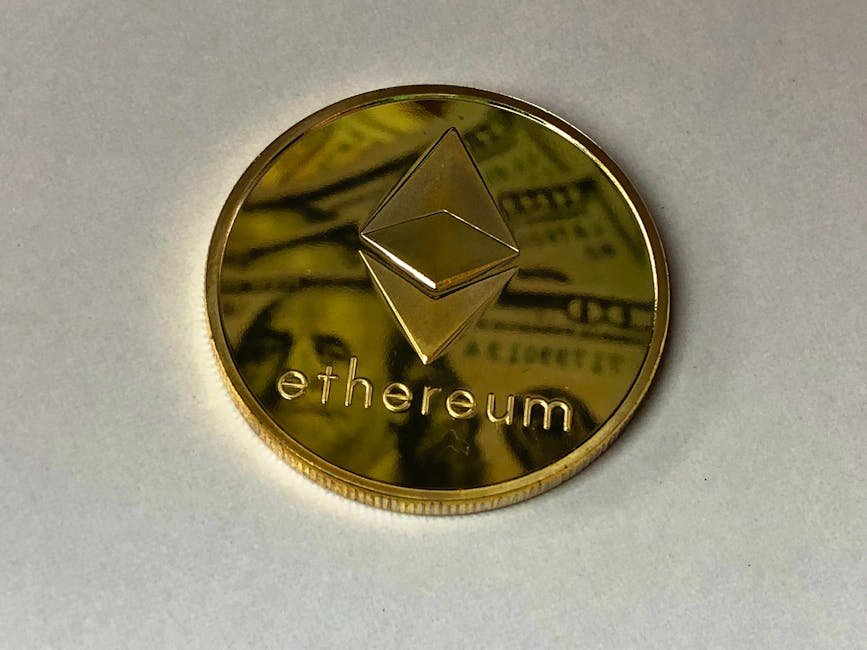




In recent months, small public companies have increasingly turned to ether , the second-largest cryptocurrency, as a hedge against inflation. By July 2025, corporate treasuries collectively held approximately 966,304 ETH, valued at around $3.5 billion, a significant rise from under 116,000 ETH at the end of 2024.
Ether's appeal lies not only in its potential for price appreciation but also in its utility within the Ethereum blockchain. Unlike Bitcoin, which is primarily viewed as a store of value, ether serves as the backbone of decentralized finance , supporting applications such as lending platforms, trading protocols, and stablecoins. This functionality offers companies a more active return on their investments.
The trend is exemplified by companies like Bit Digital and GameSquare, which have seen substantial stock surges following announcements of ether acquisitions. However, analysts caution that this enthusiasm mirrors past market frenzies, urging investors to exercise caution.
Despite the momentum, challenges persist. Market volatility and regulatory uncertainties, particularly concerning the tax treatment of staking rewards and custodial responsibilities, continue to pose risks. Many CFOs remain cautious, viewing crypto holdings as experimental and non-core assets.
In the political arena, the cryptocurrency landscape is also evolving. The Democratic Party has struggled to establish a compelling crypto agenda, while the Republican Party has aligned more closely with the industry. This imbalance is partly due to demographic factors, as crypto users tend to be younger and more male, demographics that Republicans have been more successful in attracting. Consequently, Democrats risk alienating parts of the tech community unless they develop a clear, voter-relevant strategy.
Overall, the integration of cryptocurrencies like ether into corporate treasuries and the political discourse reflects a broader acceptance and recognition of digital assets in the financial and political spheres. However, stakeholders must navigate the associated risks and uncertainties to fully realize the potential benefits.