
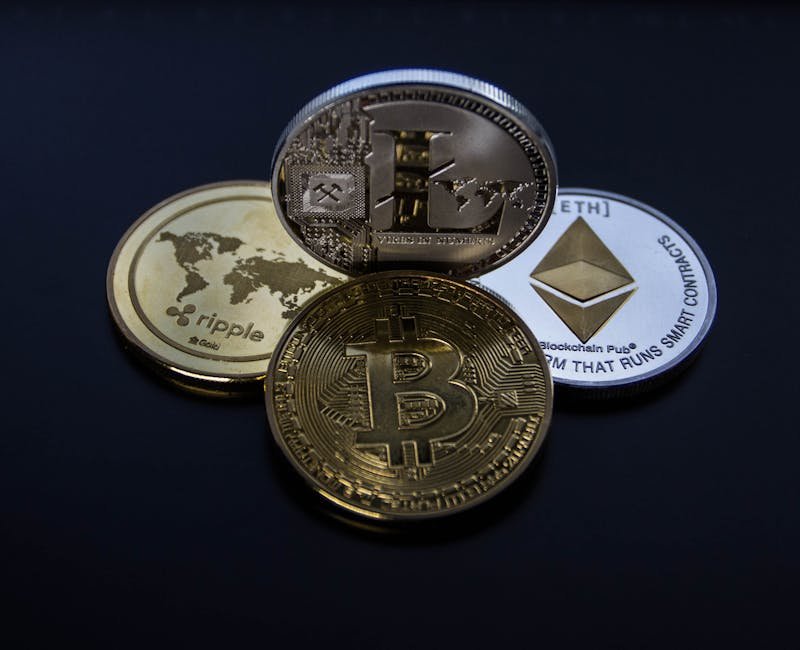
The U.S. Securities and Exchange Commission has concluded its lawsuit against Ripple Labs, which was initiated in December 2020 over allegations of unregistered securities sales through XRP token transactions. Ripple has agreed to pay a $125 million fine, as confirmed by U.S. District Judge Analisa Torres. The judge also imposed an injunction on XRP sales to institutional investors, affirming that such transactions fall under securities law. However, sales of XRP on public exchanges were not classified as securities. Despite Ripple's request to reduce the fine to $50 million, Judge Torres denied the appeal due to the absence of exceptional circumstances. With the dismissal of appeals, the $125 million fine and injunction remain in effect. Ripple's chief legal officer has declared the lawsuit formally concluded. This development follows the SEC's decision to cease enforcement actions against other major crypto platforms, including Binance, Coinbase, and Kraken.
In a significant move to enhance investor confidence, Binance, the world's largest cryptocurrency exchange, has partnered with Spain's BBVA to offer customers the option to store their assets off the exchange. BBVA, Spain's third-largest bank, will act as an independent custodian, allowing traders' funds to be held in U.S. Treasuries managed by the bank. This collaboration aims to mitigate risks associated with centralized exchanges, especially in the wake of the FTX collapse. Previously, Binance customers could only use internal custodians, but since early 2024, the exchange has permitted third-party custodians such as Switzerland's Sygnum and FlowBank. The partnership with BBVA reflects a broader industry shift towards independent asset custody, aligning with a more crypto-friendly regulatory environment under President Trump's administration.
Chinese authorities have instructed local brokerage firms and related organizations to cease the promotion and endorsement of stablecoins. This directive, issued in late July and early August 2025, is part of a broader effort to prevent potential financial instability and fraudulent activities associated with stablecoins. The guidance specifically targets the publication of research and hosting of seminars that support these digital currencies, which are typically pegged to fiat currencies like the U.S. dollar. Despite China's ongoing ban on cryptocurrency activities since 2021, Hong Kong has taken a different approach by passing legislation earlier in 2025 aimed at enhancing its position as a global digital asset hub. Chinese regulators, including the China Securities Regulatory Commission and the People's Bank of China, have not yet publicly commented on the report.
In a strategic move, Ripple has agreed to acquire stablecoin infrastructure firm Rail for $200 million. This acquisition aligns with Ripple's strategy to expand its stablecoin operations, particularly its own stablecoin, RLUSD. The deal follows the U.S. Congress passing the Genius Act, which provides a regulatory framework for stablecoins, encouraging broader adoption by institutional investors and financial institutions. Major banks like JPMorgan Chase and Citigroup have shown growing interest in the stablecoin market, currently led by Tether and Circle. Rail, established in 2021 and supported by Galaxy Digital, provides compliance and banking infrastructure for institutional users. The transaction is expected to close by the end of 2025.
Struggling companies across various sectors are increasingly investing in bitcoin and other cryptocurrencies to boost share prices and attract investor interest. This trend is partly driven by institutional constraints in regions where direct crypto investments or ETFs are banned, making crypto-holding firms attractive proxies. However, critics warn of mounting systemic risks, as many of these firms now hold crypto assets worth multiples of their revenues. The strategy relies heavily on continued crypto price appreciation and rapid asset accumulation, raising concerns that declines in bitcoin prices could precipitate broader financial instability, especially for firms using debt to fund purchases. Skeptics liken the trend to the 1990s dotcom bubble and fear a potential market downturn could expose unsustainable financial practices, possibly triggering a broader collapse in the crypto and equity markets.