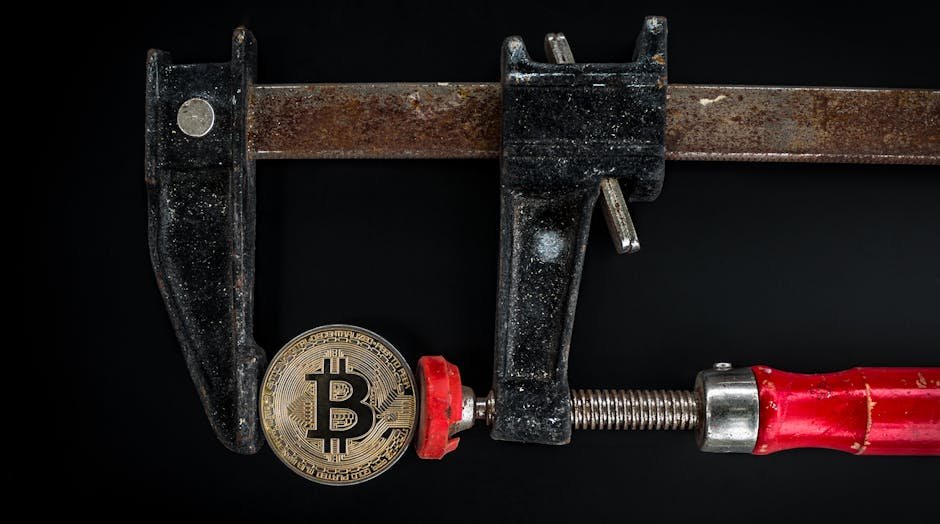




In a landmark operation, London's Metropolitan Police have seized approximately $7.3 billion worth of bitcoin from Zhimin Qian, known as the "Bitcoin Queen." Qian was convicted for defrauding over 128,000 victims in China between 2014 and 2017, accumulating illicit funds in 61,000 bitcoins. After fleeing to the UK in 2018, she attempted to launder the cryptocurrency, leading to one of the largest crypto seizures to date. Authorities credit this success to a multi-year economic crime investigation initiated by intelligence on the transfer of criminal assets.
Similarly, the FBI has accused North Korean-backed hackers, known as TraderTraitor and the Lazarus Group, of stealing $1.5 billion worth of ethereum from Bybit, a Dubai-based crypto exchange. The thieves used malware-modified crypto trading applications to facilitate the theft. The stolen assets have been partially converted to Bitcoin and other virtual currencies and are being laundered across multiple blockchains. North Korea, which has not acknowledged the theft, is said to use such funds to support its economy and nuclear program under U.N. sanctions. Bybit's CEO has offered a bounty to track and freeze the stolen assets.
In the United States, FTX, a collapsed cryptocurrency company, is suing Binance and its former CEO, Changpeng Zhao, for $1.8 billion. The lawsuit claims that FTX management fraudulently transferred this amount to Binance and its executives in relation to Binance selling its stake in FTX back in 2021. FTX aims to recover this amount for its creditors and seeks compensatory and punitive damages. Binance has dismissed the claims as meritless and plans to defend itself.
These incidents underscore the increasing challenges in the cryptocurrency sector, highlighting the need for robust security measures and regulatory oversight to protect investors and maintain market integrity.
As the cryptocurrency landscape continues to evolve, stakeholders must remain vigilant and proactive in addressing the risks associated with digital assets.