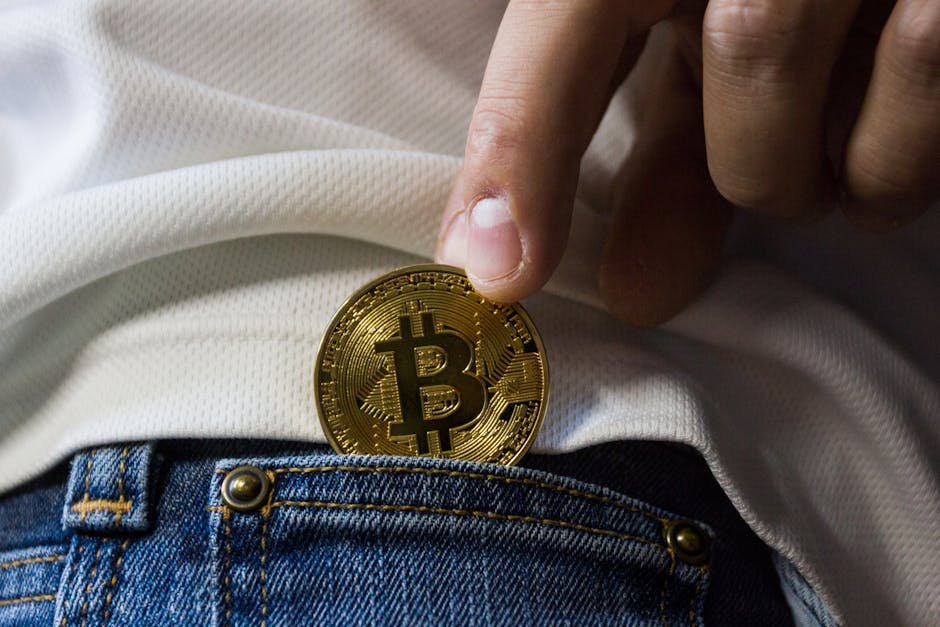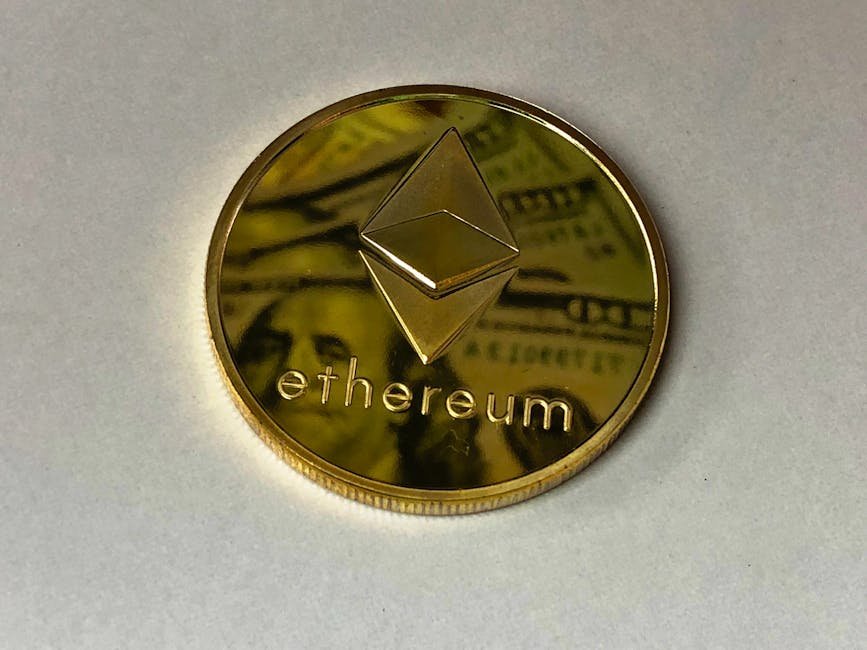




Bitcoin has recently surpassed the $100,000 mark, driven by a substantial rally following Donald Trump's U.S. presidential election win. The cryptocurrency increased from $69,374 on Election Day to hitting an all-time high of $103,713. This surge is attributed to Trump's pro-cryptocurrency stance and his nomination of cryptocurrency advocate Paul Atkins as the next SEC chair. Trump’s election victory has raised hopes among top crypto players for favorable legislative and regulatory changes. Despite this rally, experts caution about the risks and volatility associated with bitcoin investment. The sustainability of this upward trend depends on several factors, including regulatory decisions and market conditions. Though it could continue to climb, bitcoin’s history shows it can also decline rapidly, making it a speculative investment.
In a significant policy shift, the Federal Deposit Insurance Corporation announced that banks no longer need prior approval to engage in cryptocurrency-related activities, such as holding digital currency assets or partnering with industry companies. This marks a departure from the cautionary stance adopted two years ago under the previous administration. FDIC acting chairman, Travis Hill, emphasized the shift away from the previous, flawed approach. This change comes after a joint warning issued in January 2023 by the Fed, FDIC, and the Office of the Comptroller of the Currency following the crash of the terra stablecoin and FTX's downfall. The OCC was the first to revise guidelines allowing banks to partake in common crypto activities without prior approval. Legal actions by Coinbase revealed FDIC's updated policy, which now requires institutions to manage associated risks adequately while engaging in digital asset activities.
The Trump Media & Technology Group , affiliated with U.S. President Donald Trump and operator of the Truth Social platform, has struck a $6.4 billion deal to acquire CRO, the native token of Crypto.com's Cronos blockchain. This initiative establishes TMTG as the first major publicly traded CRO treasury firm. The agreement reinforces the administration’s deepening ties with the crypto sector, which Trump has openly supported through policy initiatives and campaign funding. As part of the deal, Crypto.com purchased $50 million in TMTG stock, while TMTG acquired $105 million in CRO tokens. Additionally, Yorkville Acquisition Corp will invest $1 billion in CRO tokens and rebrand its Nasdaq ticker to “Make CRO Great Again,” backed by a $5 billion credit line from Yorkville Advisors. The CRO token price surged 35% after the news, while TMTG shares rose 6%. Concurrently, TMTG is raising $2.5 billion to construct a bitcoin treasury, with Crypto.com also supporting its bitcoin ETF plans. Other Trump family ventures include launching memecoins and managing a digital asset company. Notably, the SEC previously investigated Crypto.com but dropped the probe earlier in 2025.
In the realm of real estate, cryptocurrency is gaining legitimacy and regulatory support globally, leading to its growing use in property transactions. Christie's International Real Estate Southern California launched the U.S.’s first premium crypto division, managing a $1 billion portfolio that accepts digital currency. This move followed the Genius Act, U.S. legislation establishing a regulatory framework for stablecoins. Property agents are seeing rising demand, especially from digital asset holders seeking privacy and diversification. However, challenges such as verifying crypto funds and dealing with volatility remain. While the U.K. is more cautious, several countries are embracing crypto in property markets. Dubai has robust blockchain infrastructure, regulatory support through VARA, and incentives like tax exemptions and visas. Switzerland, particularly Lugano, integrates crypto in public life and real estate. The Cayman Islands also regulate virtual assets and attract crypto-wealthy investors through tax benefits and streamlined processes. Though crypto real estate transactions remain limited globally, regulatory developments like the EU’s MiCA and improving market infrastructure are making crypto property buying more feasible. Experts believe these innovations could shift the perception of crypto property purchases from fringe activity to a growing alternative segment.
In Australia, the Australian Transaction Reports and Analysis Centre has formed an internal cryptocurrency task force to combat the criminal exploitation of cryptocurrencies. This task force will target crypto ATM providers who do not comply with Australia's anti-money laundering laws. AUSTRAC's research indicated increasing misuse of cryptocurrency for money laundering, scams, and money mule operations. With over 1,200 crypto ATMs and 400 registered digital currency exchange providers in the country, the task force aims to ensure stringent practices to prevent fraudulent activities. The value of the cryptocurrency market has almost doubled in the past year, with Bitcoin reaching record highs. AUSTRAC CEO Brendan Thomas highlighted the growing issue of Australians falling victim to cryptocurrency scams and warned that non-compliant crypto ATM providers would face financial penalties.