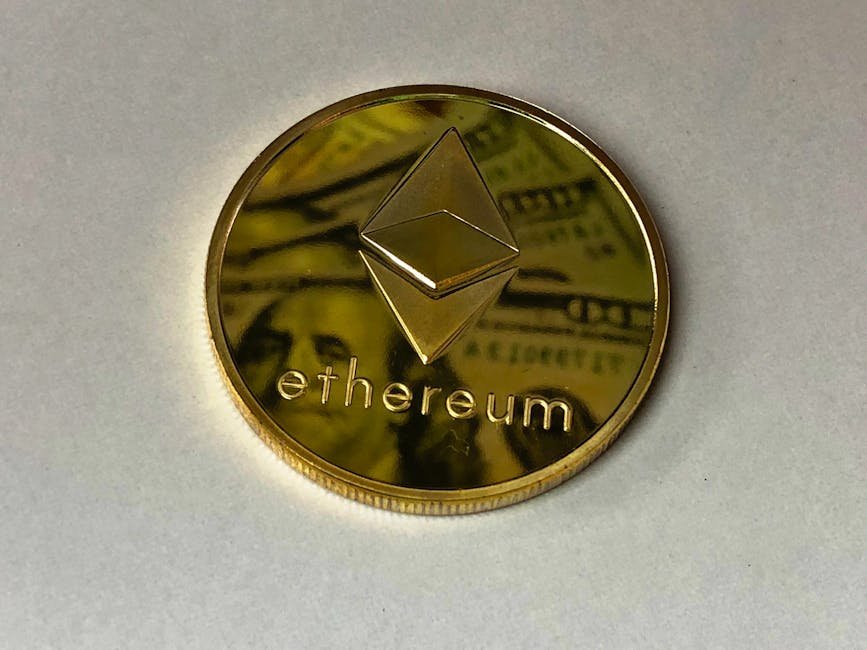




Bitcoin has recently surpassed the $100,000 mark, marking a significant milestone in its price trajectory. This surge is largely attributed to a substantial rally following Donald Trump's U.S. presidential election victory. The cryptocurrency's price escalated from $69,374 on Election Day to an all-time high of $103,713. Analysts suggest that Trump's pro-cryptocurrency stance and his nomination of cryptocurrency advocate Paul Atkins as the next SEC chair have played pivotal roles in this upward trend. The election outcome has raised hopes among crypto enthusiasts for favorable legislative and regulatory changes. However, experts caution about the inherent risks and volatility associated with Bitcoin investments, emphasizing the need for prudent decision-making.
In a notable development, the Trump Media & Technology Group , associated with President Donald Trump and operator of the Truth Social platform, has entered the cryptocurrency arena by acquiring a $6.4 billion stake in Crypto.com's native token, CRO. This acquisition positions TMTG as the first major publicly traded firm to hold a significant CRO treasury. The deal underscores the administration's deepening ties with the crypto sector, reflecting a broader trend of institutional adoption. As part of the agreement, Crypto.com purchased $50 million in TMTG stock, while TMTG acquired $105 million in CRO tokens. Additionally, Yorkville Acquisition Corp plans to invest $1 billion in CRO tokens and rebrand its Nasdaq ticker to "Make CRO Great Again," backed by a $5 billion credit line from Yorkville Advisors. Following the announcement, the CRO token price surged by 35%, and TMTG shares rose by 6%. This strategic move highlights the growing integration of cryptocurrency within mainstream financial and political spheres.
The Federal Deposit Insurance Corporation has recently reversed its previous stance on cryptocurrency-related activities. Banks are now permitted to engage in activities such as holding digital currency assets or partnering with crypto industry companies without prior approval. This policy shift marks a significant departure from the cautious approach adopted under the previous administration. FDIC acting chairman, Travis Hill, emphasized the move away from the previous, flawed approach. This change follows a joint warning issued in January 2023 by the Federal Reserve, FDIC, and the Office of the Comptroller of the Currency after the collapse of the Terra stablecoin and FTX's downfall. The OCC was the first to revise guidelines, allowing banks to partake in common crypto activities without prior approval. While the FDIC's updated policy now requires institutions to manage associated risks adequately, it signifies a growing acceptance of cryptocurrencies within traditional financial institutions.
In the realm of real estate, cryptocurrencies are increasingly being integrated into property transactions. Christie's International Real Estate Southern California has launched the first dedicated U.S. crypto real estate division, catering to the rising demand from digital asset holders seeking privacy and diversification. This initiative follows the enactment of the Genius Act, a regulatory framework for stablecoins, signaling a shift toward mainstream acceptance of cryptocurrencies. Globally, regions like Dubai and Switzerland are embracing crypto in real estate, with Dubai developing an advanced regulatory environment and Switzerland integrating crypto into daily life. Despite the momentum, challenges remain, including legal, regulatory, and compliance issues, as well as crypto market volatility, which slow adoption in markets like the UK. However, with evolving frameworks and growing institutional support, crypto property purchases may soon move from fringe to feasible.
On the security front, the Australian Transaction Reports and Analysis Centre has established an internal cryptocurrency task force to combat the criminal exploitation of cryptocurrencies. The task force aims to target crypto ATM providers who do not comply with Australia's anti-money laundering laws. AUSTRAC's research indicates increasing misuse of cryptocurrency for money laundering, scams, and money mule operations. With over 1,200 crypto ATMs and 400 registered digital currency exchange providers in the country, the task force seeks to ensure stringent practices to prevent fraudulent activities. AUSTRAC CEO Brendan Thomas highlighted the growing issue of Australians falling victim to cryptocurrency scams and warned that non-compliant crypto ATM providers would face financial penalties.
In summary, the cryptocurrency landscape is experiencing significant transformations, driven by political developments, institutional adoption, and regulatory shifts. While these changes present new opportunities, they also underscore the importance of vigilance and informed decision-making in the evolving digital asset ecosystem.