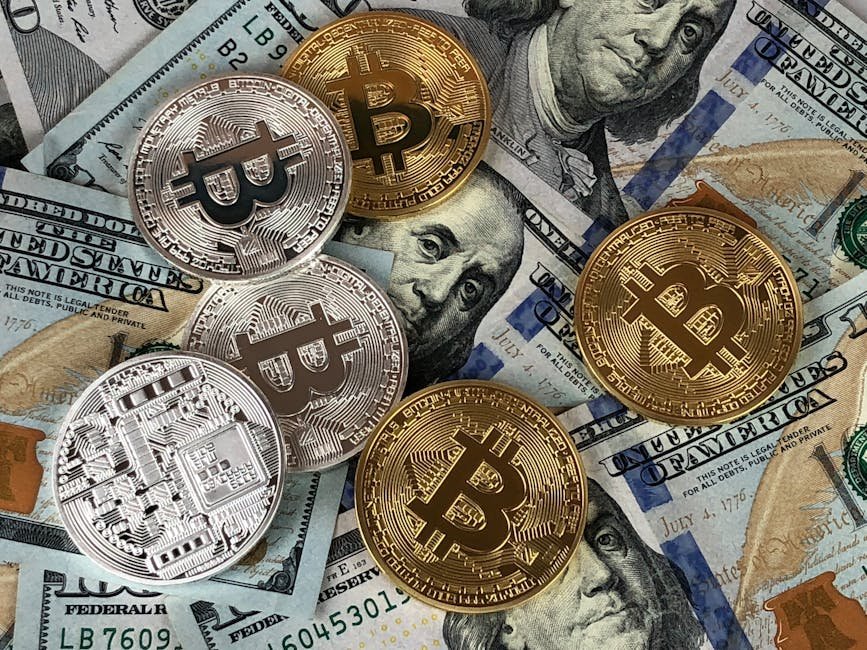

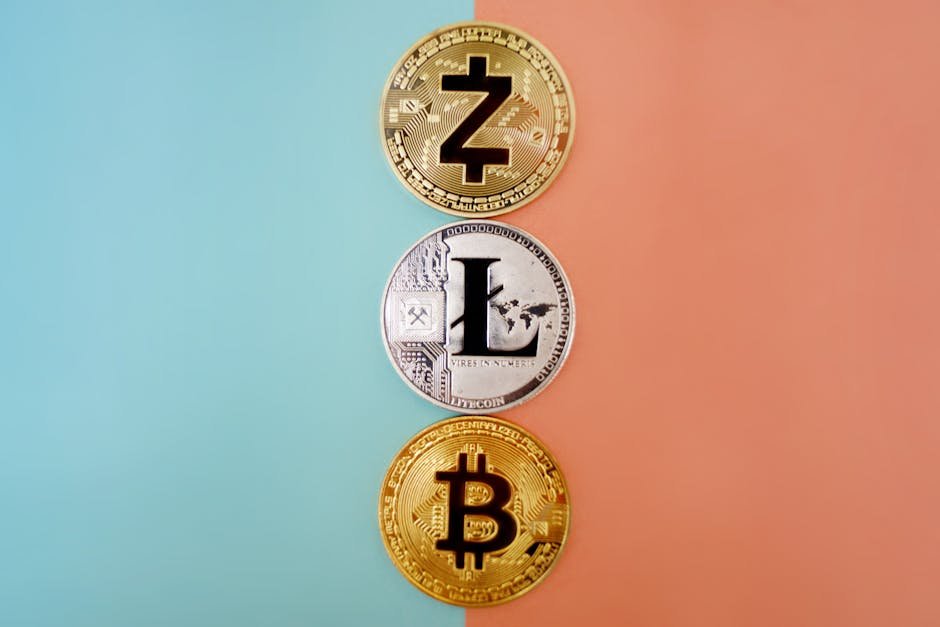

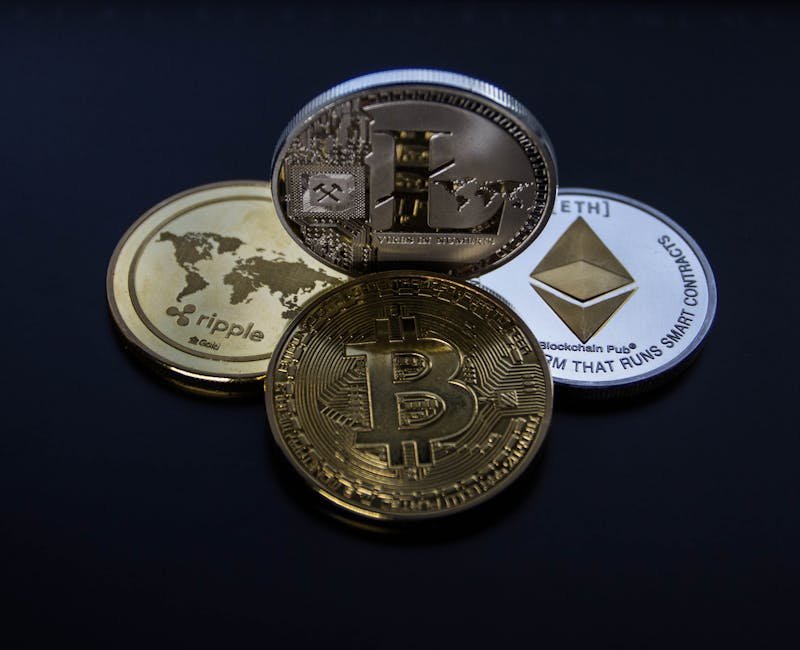
Bitcoin's price has recently experienced a decline, dropping to $110,481.00 USD, a decrease of approximately 2.24% from the previous close. The cryptocurrency's intraday high reached $113,535.00 USD, while the low was $110,292.00 USD. This downturn reflects the ongoing volatility in the crypto market, influenced by various factors including regulatory developments and market sentiment.
In recent months, the cryptocurrency industry has been actively engaging in political processes, significantly increasing its influence in Washington. In 2024, the industry spent over $130 million on congressional races, including more than $40 million to help unseat Senator Sherrod Brown of Ohio, a long-time critic of digital assets. This strategic spending led to the election of pro-crypto candidate Bernie Moreno. With a friendlier Congress and support from a Trump-led White House, legislation favorable to crypto, such as the GENIUS Act regulating stablecoins, is advancing quickly. Senator Brown, now seeking a comeback in 2026, has tempered his stance, acknowledging crypto's role in the economy but emphasizing consumer protections.
The Federal Deposit Insurance Corporation has also shifted its stance on cryptocurrency. In March 2025, the FDIC announced that banks no longer need prior approval to engage in cryptocurrency-related activities, such as holding digital currency assets or partnering with industry companies. This policy reversal marks a significant change from the cautionary approach adopted two years prior. FDIC acting chairman, Travis Hill, emphasized the shift away from the previous, flawed approach. This change comes after a joint warning issued in January 2023 by the Federal Reserve, FDIC, and the Office of the Comptroller of the Currency following the crash of the Terra stablecoin and FTX's downfall. The OCC was the first to revise guidelines allowing banks to partake in common crypto activities without prior approval. Legal actions by Coinbase revealed FDIC's updated policy, which now requires institutions to manage associated risks adequately while engaging in digital asset activities.
In the corporate sector, Trump Media & Technology Group and Crypto.com have announced the formation of a new company, Trump Media Group CRO Strategy, aimed at investing in the cryptocurrency Cronos. The venture will go public through a SPAC merger with Yorkville Acquisition Corp and be listed on the Nasdaq under the "MCGA" symbol. The move strengthens U.S. President Donald Trump's connection to the crypto sector, boosted by favorable industry regulations under his administration. Following the news, the Cronos token surged nearly 30%, Trump Media’s stock rose 5.2%, while Yorkville's dropped slightly. The new firm will be funded with $1 billion in Cronos tokens, $200 million in cash, $220 million in warrants, and a $5 billion equity line from a Yorkville affiliate. Trump Media committed to buying $105 million in Cronos, and Crypto.com agreed to purchase $50 million of Trump Media stock. This partnership advances previous collaborations, including exchange-traded funds under the Truth.Fi brand. This move follows a trend of crypto-heavy companies, such as MicroStrategy, leveraging SPACs to capitalize on soaring digital asset valuations.
However, the crypto industry faces challenges from cyber threats. The Lazarus Group, a hacking group believed to be backed by North Korea, has been linked to significant cryptocurrency exchange hacks. In February 2025, the group was associated with the theft of approximately 400,000 Ethereum from the Dubai-based exchange Bybit, valued at about $1.5 billion at the time. The attackers exploited a vulnerability in a third-party wallet tool, Safe {Wallet}, gaining access to Bybit’s cold wallet system. This incident caused a sharp drop in cryptocurrency prices, with Ethereum falling by over 20% and Bitcoin dropping below $90,000. Many users rushed to withdraw their funds, and some exchanges temporarily paused withdrawals. Regulators in several countries began reviewing how exchanges secure user assets. Bybit stated that it was able to recover most of the stolen Ethereum and remained solvent throughout the incident. The company announced new security upgrades and offered a bounty to help track down the hackers and recover the remaining funds.
These developments underscore the dynamic and evolving nature of the cryptocurrency landscape, highlighting both the opportunities and risks associated with digital assets.