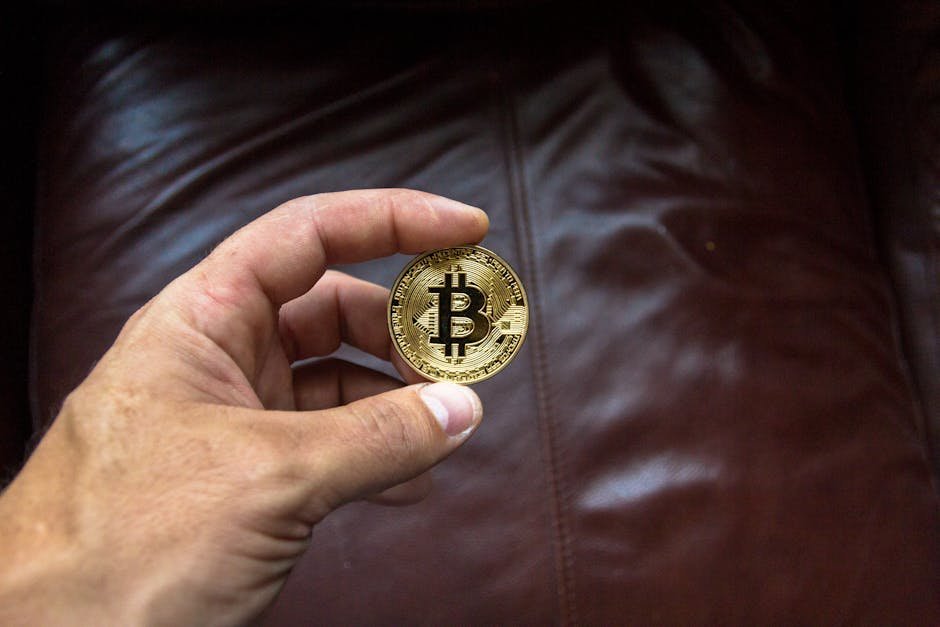




Bitcoin has recently surpassed the $100,000 mark, marking a significant milestone in its price trajectory. This surge is largely attributed to a combination of favorable regulatory changes and political developments in the United States.
In March 2025, the Federal Deposit Insurance Corporation announced that banks no longer require prior approval to engage in cryptocurrency-related activities, such as holding digital assets or partnering with industry companies. This policy reversal from the FDIC's previous cautious stance has been seen as a positive signal for the crypto market.
Additionally, the election of President Donald Trump has had a notable impact on the cryptocurrency sector. His administration's pro-crypto stance, including the nomination of cryptocurrency advocate Paul Atkins as the next SEC chair, has raised hopes among industry leaders for favorable legislative and regulatory changes.
Furthermore, the launch of the USD1 stablecoin by World Liberty Financial, a company associated with the Trump family, has contributed to the market's optimism. The stablecoin is pegged at a 1-to-1 ratio with the U.S. dollar, aiming to facilitate seamless and secure cross-border transactions.
Despite these positive developments, experts caution about the inherent risks and volatility associated with Bitcoin investments. The sustainability of this upward trend depends on various factors, including ongoing regulatory decisions and broader market conditions.
In summary, Bitcoin's recent price surge is a result of favorable regulatory shifts and supportive political developments in the U.S. While the market remains optimistic, investors are advised to remain vigilant and consider the potential risks involved.