



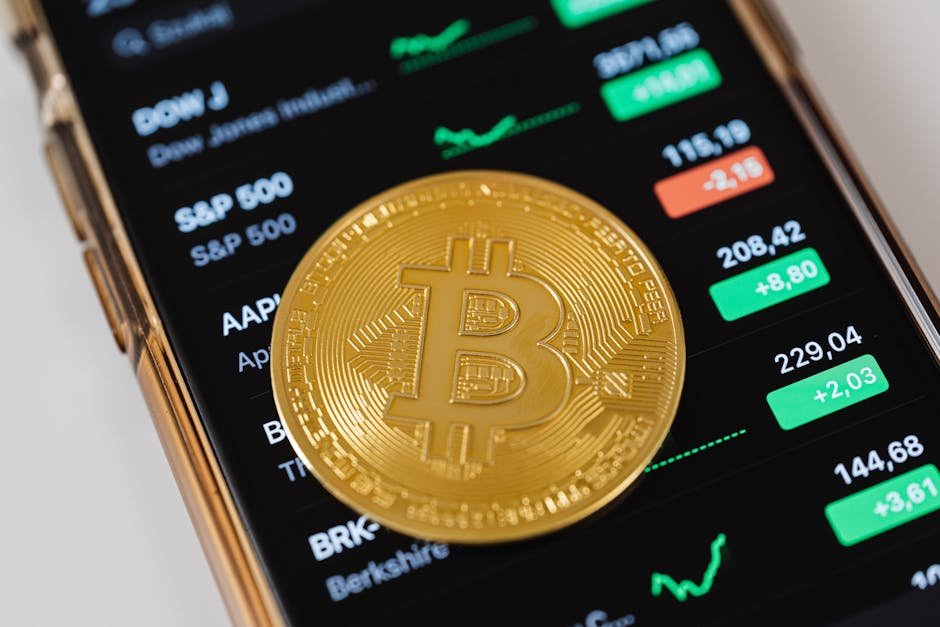
Bitcoin has recently achieved unprecedented heights, surpassing the $100,000 mark, a milestone driven by a combination of political developments and increasing institutional adoption. Following Donald Trump's victory in the 2024 U.S. presidential election, the cryptocurrency experienced a significant rally, climbing from $69,374 on Election Day to an all-time high of $103,713. This surge is largely attributed to Trump's pro-cryptocurrency stance and his nomination of cryptocurrency advocate Paul Atkins as the next SEC chair.
The Trump administration's favorable approach to digital assets has been further demonstrated through substantial investments in the crypto sector. The Trump Media & Technology Group , affiliated with President Trump, has entered into a $6.4 billion deal to acquire CRO, the native token of Crypto.com's Cronos blockchain. This move positions TMTG as the first major publicly traded firm to hold a significant CRO treasury, reinforcing the administration's deepening ties with the cryptocurrency industry.
In addition to political support, institutional interest in Bitcoin has been on the rise. Publicly traded companies now collectively hold over 1 million Bitcoin, marking a historic first. Major firms, including Strategy , lead with nearly 629,000 BTC, followed by mining giants such as MARA and XXI. This trend signals growing corporate confidence in Bitcoin as a valuable asset and underscores the mainstream adoption of cryptocurrency in the financial sector.
Despite the bullish market sentiment, the cryptocurrency landscape faces challenges. The Federal Deposit Insurance Corporation has recently rescinded its previous guidance, now allowing banks to engage in cryptocurrency-related activities without prior approval. This policy shift marks a significant change from the cautious stance adopted two years ago and reflects a broader acceptance of digital assets within traditional financial institutions.
However, the crypto industry continues to grapple with security concerns. The Lazarus Group, a hacking organization believed to be backed by North Korea, has been linked to significant cyberattacks on cryptocurrency exchanges. In February 2025, Bybit, a Dubai-based exchange, was hacked, resulting in the theft of approximately 400,000 Ethereum, valued at about $1.5 billion at the time. This incident highlights the ongoing risks associated with digital asset security and the need for enhanced protective measures within the industry.
In summary, Bitcoin's record-breaking surge is propelled by supportive political policies and increasing institutional adoption. While these developments present promising prospects for the cryptocurrency market, they also underscore the importance of addressing security challenges to ensure the sustainable growth and stability of digital assets.