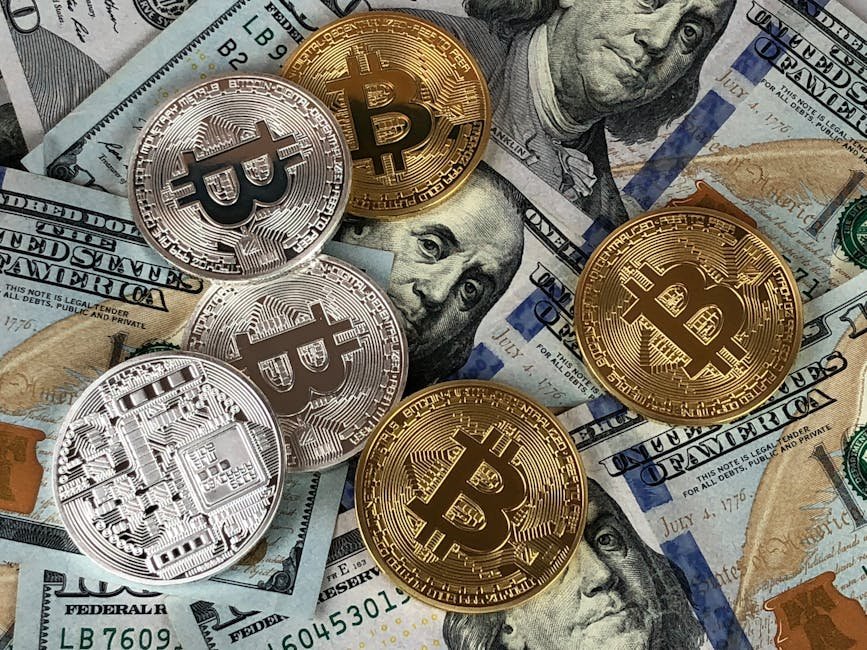




Bitcoin has recently surpassed the $100,000 mark, driven by a substantial rally following Donald Trump's U.S. presidential election win. The cryptocurrency increased from $69,374 on Election Day to hitting an all-time high of $103,713. This surge is attributed to Trump's pro-cryptocurrency stance and his nomination of cryptocurrency advocate Paul Atkins as the next SEC chair. Trump’s election victory has raised hopes among top crypto players for favorable legislative and regulatory changes. Despite this rally, experts caution about the risks and volatility associated with bitcoin investment. The sustainability of this upward trend depends on several factors, including regulatory decisions and market conditions. Though it could continue to climb, bitcoin’s history shows it can also decline rapidly, making it a speculative investment.
In a significant policy shift, the Federal Deposit Insurance Corporation announced that banks no longer need prior approval to engage in cryptocurrency-related activities, such as holding digital currency assets or partnering with industry companies. This marks a significant policy reversal from the cautionary stance adopted two years ago under the Trump administration. FDIC acting chairman, Travis Hill, emphasized the shift away from the previous, flawed approach. This change comes after a joint warning issued in January 2023 by the Fed, FDIC, and the Office of the Comptroller of the Currency following the crash of the terra stablecoin and FTX's downfall. The OCC was the first to revise guidelines allowing banks to partake in common crypto activities without prior approval. Legal actions by Coinbase revealed FDIC's updated policy, which now requires institutions to manage associated risks adequately while engaging in digital asset activities.
Globally, several regions are embracing crypto in real estate. Dubai has developed an advanced regulatory environment with blockchain technologies, tax incentives, and a digital dirham planned. Switzerland, especially Lugano, integrates crypto into daily life, encouraging growth in its luxury property sector. The Cayman Islands have positioned themselves as a secure, tax-efficient destination for crypto investors, with some successful real estate transactions already completed using digital currencies. Despite the momentum, challenges remain. Legal, regulatory, and compliance issues, along with crypto market volatility, slow adoption in markets like the UK. However, with frameworks evolving and institutional support growing—such as U.S. mortgage lenders considering crypto holdings—it appears crypto property purchases may soon move from fringe to feasible.
In the corporate sector, the Trump Media & Technology Group , affiliated with U.S. President Donald Trump and operator of the Truth Social platform, has struck a $6.4 billion deal to acquire CRO, the native token of Crypto.com's Cronos blockchain. This initiative establishes TMTG as the first major publicly traded CRO treasury firm. The agreement reinforces the administration’s deepening ties with the crypto sector, which Trump has openly supported through policy initiatives and campaign funding. As part of the deal, Crypto.com purchased $50 million in TMTG stock, while TMTG acquired $105 million in CRO tokens. Additionally, Yorkville Acquisition Corp will invest $1 billion in CRO tokens and rebrand its Nasdaq ticker to “Make CRO Great Again,” backed by a $5 billion credit line from Yorkville Advisors. The CRO token price surged 35% after the news, while TMTG shares rose 6%. Concurrently, TMTG is raising $2.5 billion to construct a bitcoin treasury, with Crypto.com also supporting its bitcoin ETF plans. Other Trump family ventures include launching memecoins and managing a digital asset company. Notably, the SEC previously investigated Crypto.com but dropped the probe earlier in 2025.
In Asia, HashKey Group, Hong Kong's largest licensed cryptocurrency exchange, has announced the launch of its first Digital Asset Treasury fund with an initial target of $500 million. This multi-currency fund will pursue a strategy that mirrors the growing trend of public companies accumulating cryptocurrency assets to benefit from rising token prices and a more favorable regulatory landscape. Inspired by the success of U.S.-based firm Strategy, which holds over $63 billion in crypto, similar firms have collectively amassed around 100,000 bitcoin, according to Standard Chartered. HashKey aims to lead in standardizing crypto assets and fostering a sustainable Web3 ecosystem through strategic investments in top-tier DAT projects globally. The fund will initially focus on mainstream crypto assets, particularly within the Ethereum and Bitcoin ecosystems. This move reflects HashKey’s broader strategy of building a diversified digital asset portfolio and supporting the development of decentralized internet infrastructure.
As the cryptocurrency landscape continues to evolve, these developments underscore the increasing integration of digital assets into mainstream financial systems and the broader economy. While opportunities abound, stakeholders must remain vigilant, navigating the complexities of regulatory environments and market dynamics to harness the full potential of this transformative technology.