
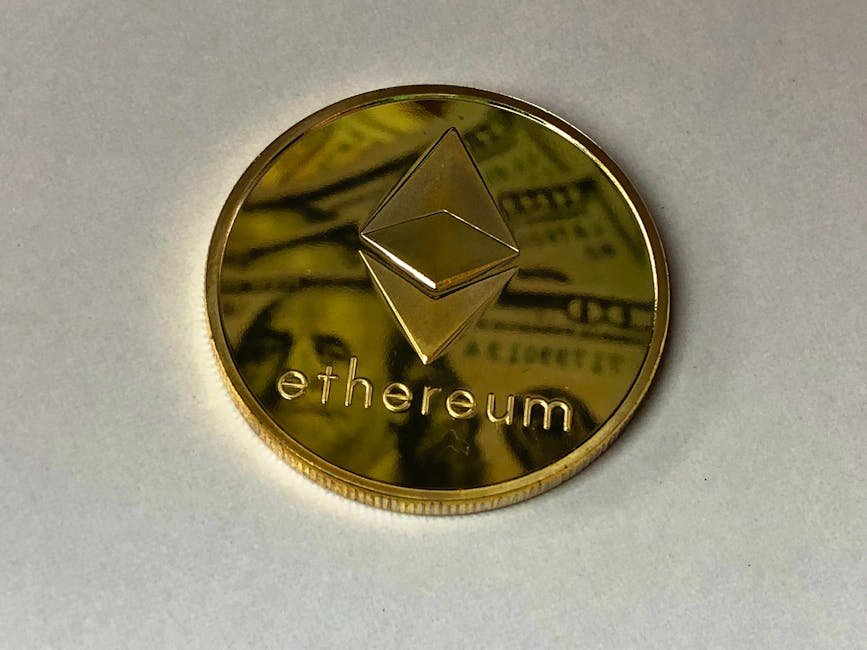
In recent months, small public companies have increasingly turned to ether , the second-largest cryptocurrency, as a strategic hedge against inflation. By July 2025, corporate treasuries collectively held approximately 966,304 ETH, valued at nearly $3.5 billion—a significant rise from under 116,000 ETH at the end of 2024.
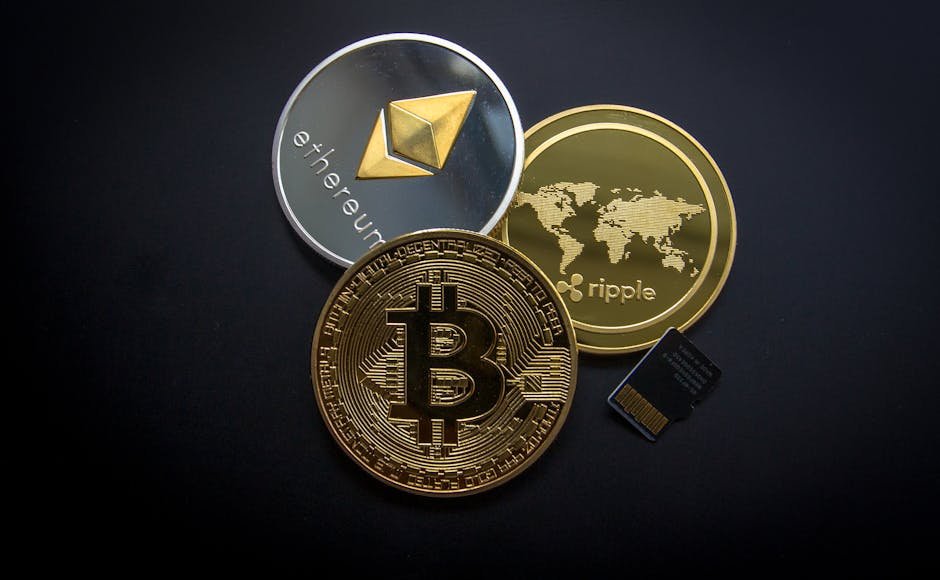
Ether's appeal lies not only in its potential for price appreciation but also in its utility within the Ethereum blockchain. Unlike Bitcoin, which is primarily viewed as a store of value, ether serves as the backbone of decentralized finance , powering applications such as lending platforms, trading protocols, and stablecoins. This functionality offers companies a multifaceted asset that combines affordability with credibility.
The practice of staking has further enhanced ether's attractiveness. By locking up their tokens to support the Ethereum network, holders can earn yields of approximately 3–4%. This mechanism provides an active return on investment, distinguishing ether from other cryptocurrencies that rely solely on price appreciation.
However, this growing enthusiasm is tempered by caution due to market volatility and regulatory uncertainties. Analysts have drawn parallels between the current fervor and past meme-stock frenzies, urging investors to exercise prudence. Additionally, the regulatory landscape surrounding crypto assets remains in flux, with questions about tax treatment of staking rewards and custodial responsibilities still unresolved.
Despite these challenges, companies like BitMine and GameSquare are actively raising capital to expand their ether holdings, betting on continued upside despite the associated risks. Their actions underscore a growing belief in the long-term potential of ether as a strategic asset in corporate treasuries.
In summary, the recent surge in ether adoption among small public companies reflects a broader trend of integrating cryptocurrency into traditional financial strategies. While the move offers promising opportunities, it also necessitates careful consideration of the inherent risks and the evolving regulatory environment.