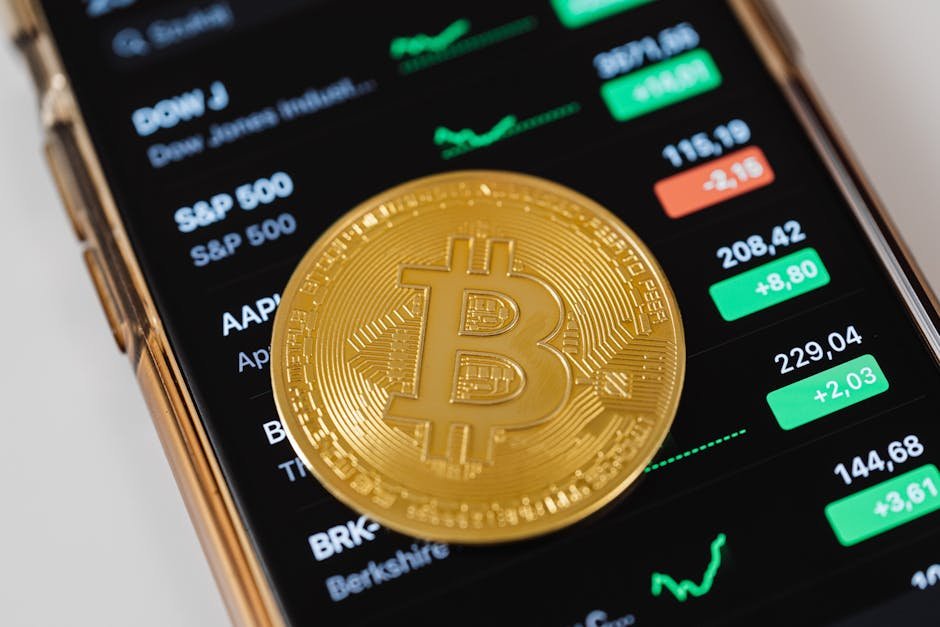




Bitcoin has achieved a new all-time high, reaching $118,071.19, signaling a surge in investor confidence and market optimism. This milestone has not only bolstered the cryptocurrency market but also influenced the stock performance of U.S.-listed crypto companies. The rally comes ahead of "Crypto Week" in Washington, where the U.S. House of Representatives is set to deliberate on three significant bills: the Genius Act, the Clarity Act, and the Anti-CBDC Surveillance State Act. These legislative efforts aim to address the longstanding regulatory uncertainties surrounding the crypto sector, potentially paving the way for increased institutional adoption.
In a notable development, Shanghai's State-owned Assets Supervision and Administration Commission convened a meeting to discuss potential policy responses to stablecoins and digital currencies. This marks a significant shift in China's approach to cryptocurrencies, which have been banned since 2021. The meeting, attended by approximately 60-70 officials, reflects a growing domestic interest in developing a yuan-pegged stablecoin amid global momentum for such digital assets. Chinese companies, including JD.com and Ant Group, are advocating for yuan-based stablecoins and plan to apply for licenses in Hong Kong, where new stablecoin legislation is set to take effect on August 1.
Meanwhile, the European Securities and Markets Authority has issued a warning to crypto asset service providers against misleading customers about the regulatory status of their offerings. Under the European Union's Markets in Crypto Assets regulation, companies must clearly distinguish between regulated and unregulated products. ESMA emphasized that some CASPs are using their regulated status as a marketing tool, potentially confusing consumers about the protections available under MiCA. This practice poses significant risks to investors and underscores the need for transparency in the rapidly evolving crypto market.
In the United States, Florida Attorney General James Uthmeier has initiated an investigation into Robinhood Crypto for allegedly misleading consumers by claiming to be the most affordable platform for cryptocurrency trading. The Attorney General's office issued a subpoena to Robinhood Markets to obtain internal documents, citing potential violations of Florida's Deceptive and Unfair Trade Practices Act. Uthmeier emphasized the need for transaction transparency, suggesting that Robinhood's cost claims may be deceptive. Robinhood allows commission-free trading and earns revenue through payment for order flow , where third-party firms pay for client order routing. The company has until July 31 to respond to the subpoena.
Additionally, Aqua 1 Foundation, a little-known cryptocurrency venture claiming to be based in the UAE, recently invested $100 million in World Liberty Financial, a crypto platform tied to President Donald Trump. This makes Aqua 1 the largest publicly known investor in the venture, which has generated approximately $500 million for the Trump family since launching last fall. Despite public announcements, limited verifiable information exists about Aqua 1, its claimed founder Dave Lee, or its registration status. Regulatory authorities in the UAE reported no affiliation with the entity, and Aqua 1’s online presence lacks transparency. The investment has raised concerns among ethics experts and political rivals due to potential conflicts of interest, especially as the Trump administration formulates crypto regulations while benefiting privately through family-managed assets.
These developments highlight the dynamic and rapidly evolving nature of the cryptocurrency landscape, with significant implications for investors, regulators, and policymakers worldwide.